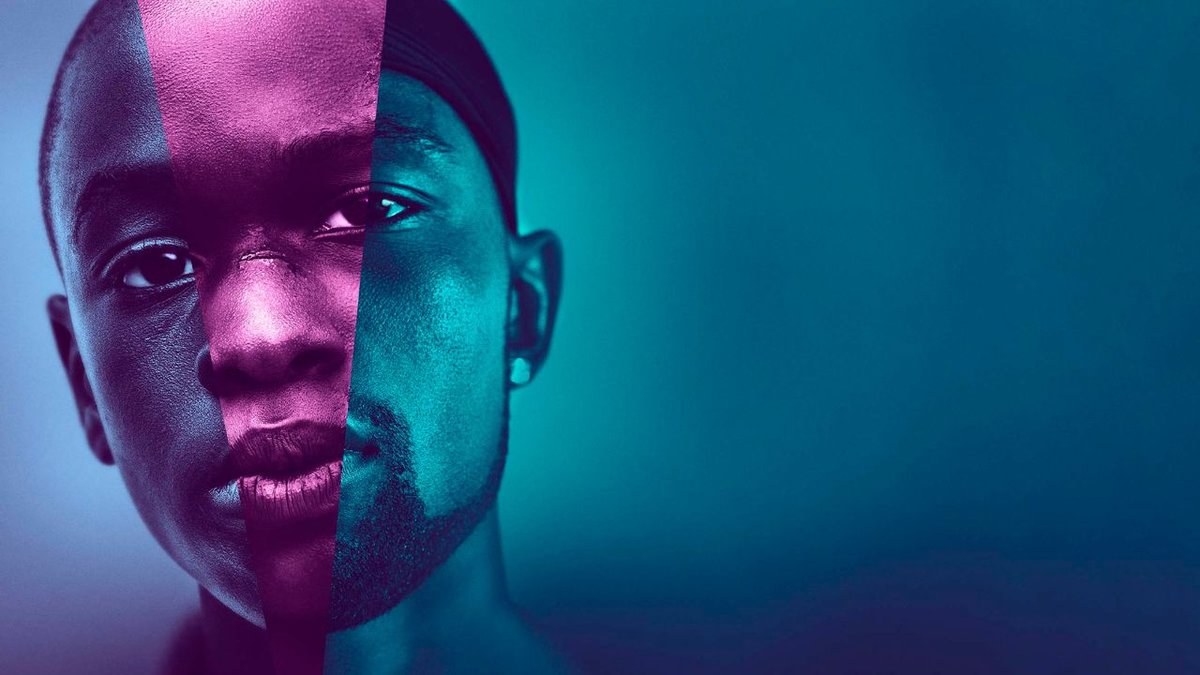
For decades, Argentine cinema has been a vibrant mirror reflecting the nation’s complex soul, but few facets sparkle with as much resilience and revelation as its LGBTQ+ narratives. When we talk about Landmark Argentine LGBTQ+ Films & Documentaries, we’re not just discussing movies; we're tracing a powerful lineage of storytelling that has chipped away at prejudice, celebrated diverse identities, and shaped cultural understanding. From early, daring portrayals to the nuanced, intersectional stories of today, this cinematic tradition has consistently pushed boundaries, offering audiences both a window into new worlds and a reflection of their own evolving society.
At a Glance: Unpacking Argentine LGBTQ+ Cinema
- A Brave History: Argentine LGBTQ+ films began challenging norms even amidst censorship and political turmoil, paving the way for future generations.
- Diverse Narratives: The spectrum is wide, covering everything from coming-of-age stories and romantic dramas to political activism and family dynamics.
- More Than Fiction: Documentaries play a crucial role, often giving voice to real-life struggles, triumphs, and the fight for legal recognition.
- Cultural Impact: These films have not only entertained but also significantly contributed to social dialogue, influencing public perception and even policy.
- Global Reach: Many Argentine LGBTQ+ productions have gained international acclaim, showcasing the country’s unique cinematic voice on a world stage.
- A Continuous Evolution: The landscape is ever-changing, with new filmmakers continually exploring fresh perspectives and expanding the definition of queer identity on screen.
A Legacy Forged in Flame: Why Argentine LGBTQ+ Cinema Commands Attention
Argentina, a nation known for its rich cultural output and often turbulent political history, has provided fertile ground for the growth of LGBTQ+ cinema. Unlike some other regions, Argentina boasts a significant number of films that overtly or subtly explore queer themes, often preceding major social and legal shifts within the country. This isn't just about representation; it’s about films serving as a crucial battleground for ideas, a space where taboo subjects could be explored, identities affirmed, and a more inclusive future imagined, even when the broader society was still resistant.
The journey began in a landscape often marked by military dictatorships and strict social conservatism. Yet, even under such pressures, filmmakers found ways to inject queer sensibilities into their work, using metaphor or focusing on the margins to hint at lives lived outside the norm. With the return to democracy in 1983, a floodgate of artistic expression opened, allowing for more direct, though still cautious, explorations of homosexuality. As the new millennium dawned, and Argentina became a trailblazer for LGBTQ+ rights—legalizing same-sex marriage in 2010 and gender identity laws in 2012—cinema marched alongside, documenting, celebrating, and sometimes even pre-empting these profound societal changes.
Echoes from the Past: Early Cinematic Dares (1980s – 1990s)
To truly appreciate the current richness of Argentine LGBTQ+ cinema, one must look back at its courageous beginnings. In an era where openly gay characters were rare and often demonized, a few pioneering films dared to step into the light.
One of the earliest and most impactful films to explicitly feature a gay protagonist was "Adiós, Roberto" (Goodbye, Roberto) from 1985. Directed by Enrique Dawi and starring the charismatic Victor Laplace, this film was a groundbreaking endeavor for its time. It told the story of a man whose life takes an unexpected turn after he helps a gay friend, challenging prevailing homophobic attitudes with a narrative of acceptance and burgeoning understanding. The film was a significant cultural moment, sparking debate and allowing for a rare public discussion about homosexuality in post-dictatorship Argentina. It signaled a cautious but undeniable shift in the cinematic landscape, daring to portray a gay character with empathy rather than caricature.
While the 1990s didn't see an explosion of overtly LGBTQ+ films, the groundwork laid by "Adiós, Roberto" and other subtle narratives allowed for queer themes to simmer beneath the surface of mainstream cinema. Films exploring counter-culture, unconventional relationships, and marginalized figures often provided spaces where queer experiences could be hinted at, if not explicitly depicted. This period was more about planting seeds, preparing the audience and the industry for the more direct narratives that would emerge in the 2000s.
The New Millennium's Unveiling: A Surge of Voices (2000s)
The turn of the millennium marked a pivotal moment for Argentine LGBTQ+ cinema. With greater democratic stability and a slowly evolving social consciousness, filmmakers found more freedom to tell stories that resonated with the lived experiences of queer Argentinians. This decade saw a significant increase in the volume and diversity of LGBTQ+ narratives, moving beyond singular portrayals to explore a wider range of identities and relationships.
One of the most internationally acclaimed films of this era was "Plata Quemada" (Burnt Money) from 2000, directed by Marcelo Piñeyro. While primarily a gritty crime thriller based on a true story, the film is notable for its raw and intense depiction of a passionate, doomed romance between two male bank robbers, Nene and Ángel. Their relationship is central to the plot, not just a sideline, providing a powerful exploration of love, loyalty, and desperation in extreme circumstances. "Plata Quemada" shattered stereotypes, presenting complex gay characters caught in a high-stakes drama, earning critical praise and a significant audience.
Another standout was "Un Año Sin Amor" (A Year Without Love) from 2005, directed by Anahí Berneri. This poignant and often darkly humorous film tells the story of Pablo, a young gay writer living with AIDS in Buenos Aires, who embarks on a journey of sexual self-discovery, exploring sadomasochism and gay cruising culture. The film is unflinching in its portrayal of vulnerability, desire, and the search for connection amidst illness. It offered a rare, intimate look into the lives of gay men facing the HIV/AIDS epidemic in Argentina, a topic often shrouded in silence.
The independent film scene also flourished, giving rise to smaller, yet equally impactful stories. Films like "Glue" (2006) by Alexis Dos Santos captured the awkwardness and intensity of adolescent self-discovery, with queer undertones reflecting the fluidity of youth identity. These films, often characterized by a lo-fi aesthetic and naturalistic performances, further expanded the cinematic landscape, proving that LGBTQ+ stories weren't just about grand dramas but also the quiet, everyday moments of self-realization.
Beyond the Binary: Queering the Screen in the 2010s and Beyond
The 2010s ushered in a new era of profound social change in Argentina, notably with the legalization of same-sex marriage in 2010 and the groundbreaking Gender Identity Law in 2012. This legislative progress was mirrored and, in some cases, inspired by the cinema, which began to explore gender identity, non-binary experiences, and increasingly nuanced LGBTQ+ lives with greater depth and authenticity.
"Ausente" (Absent) from 2011, directed by Marco Berger, exemplifies the subtle yet potent storytelling of this period. The film delves into the ambiguous and unsettling relationship between a gay swim coach and his young male student, exploring themes of desire, manipulation, and the unspoken complexities of attraction. Berger’s distinctive style, characterized by long takes and charged silences, created a palpable tension and explored queer desire in a way that left much to the audience's interpretation, making it a compelling study of power dynamics and nascent sexuality.
Later in the decade, films like "Marilyn" (2018) by Martín Rodríguez Redondo brought trans and non-binary narratives to the forefront. Based on a true story, "Marilyn" tells the heartbreaking tale of Marcos, a young farm worker who secretly dresses in women's clothing and yearns for a different life, only to face severe family rejection and tragic consequences. It's a powerful and essential film that highlights the often-perilous journey of gender non-conforming individuals in rural Argentina, shedding light on issues of identity, acceptance, and violence.
Perhaps one of the most celebrated and tender films of recent years is "Un Rubio" (The Blonde One) from 2019, also by Marco Berger. This quiet, evocative drama follows Juan and Gabriel, two housemates whose platonic relationship slowly evolves into something deeper and more intimate. The film masterfully portrays the subtle shifts in their dynamic, the unspoken desires, and the hesitant steps towards acknowledging their feelings. It's a beautiful exploration of male intimacy and the blossoming of a mature gay relationship, lauded for its realism and emotional depth.
This period has also seen a rise in films exploring the intersectionality of queer identities with class, race, and regional specificities, ensuring that "LGBTQ+" is understood as a diverse tapestry of experiences rather than a monolithic category.
Documenting Reality: The Power of Non-Fiction
While fictional narratives entertain and enlighten, Argentine LGBTQ+ documentaries hold a unique power, offering unvarnished glimpses into real lives, struggles, and the tireless fight for rights. These films serve as historical records, activist tools, and powerful testaments to human resilience.
One significant documentary is "Mía" (2011) by Miguel Faure, which explores the profound and often challenging journey of trans motherhood. The film follows a trans woman as she navigates bureaucracy, social stigma, and personal sacrifice to become a mother, offering an intimate and inspiring portrait of love, family, and the redefining of traditional roles.
"El Puto Inolvidable: Vida y Obra de Carlos Jáuregui" (The Unforgettable Faggot: The Life and Work of Carlos Jáuregui) from 2014, directed by Lucas Santa Ana, is a crucial historical document. It chronicles the life of Carlos Jáuregui, a towering figure in Argentina's LGBTQ+ rights movement, often considered one of the founders of the country's first gay rights organizations. Through archival footage, interviews, and personal accounts, the documentary illuminates Jáuregui's charisma, activism, and the early, often difficult, battles fought for visibility and equality. The film is a poignant reminder of the pioneers who laid the groundwork for the rights enjoyed today.
More recently, documentaries like "Tango Queerido" (2017) by Liliana Furió delve into specific cultural phenomena, exploring the burgeoning world of queer tango in Buenos Aires. This film celebrates a space where traditional gender roles in tango are subverted, allowing dancers of all genders to lead or follow, fostering a vibrant, inclusive community. It's a testament to how traditional art forms can be reimagined to reflect contemporary identities and desires.
These documentaries don't just tell stories; they provide crucial context, celebrate heroes, and document the ongoing evolution of LGBTQ+ life in Argentina, reminding us that the fight for full equality is a continuous journey.
Thematic Threads: What Argentine LGBTQ+ Films Explore
Argentine LGBTQ+ cinema, across its diverse formats and eras, consistently delves into several core themes, providing a rich tapestry of human experience.
- Love, Desire, and Intimacy: At the heart of many narratives is the exploration of queer love and desire, often depicted with a raw honesty that challenges heteronormative romantic ideals. These films celebrate passion, commitment, and the complexities of same-sex and diverse gender relationships, moving beyond mere sexualization to delve into emotional depth.
- Coming Out and Self-Acceptance: The journey of discovering and accepting one's identity is a perennial theme. Whether it’s the quiet introspection of a young person or the dramatic declaration of an adult, these stories resonate with universal experiences of self-discovery and the courage it takes to live authentically.
- Social Acceptance and Discrimination: Films frequently address the societal pressures, prejudices, and violence faced by LGBTQ+ individuals. They highlight the struggles for acceptance within families, workplaces, and broader communities, often serving as powerful critiques of lingering homophobia and transphobia.
- Political Activism and Historical Memory: Especially in documentaries, but also in fictionalized accounts, the role of activism in achieving legal and social change is central. These films remember the pioneers, recount the protests, and celebrate the victories, ensuring that the history of the LGBTQ+ rights movement is not forgotten.
- Intersectionality: Increasingly, Argentine cinema explores how LGBTQ+ identities intersect with other aspects of identity, such as class, indigenous heritage, regional differences, and political affiliations. This nuanced approach helps to portray the rich diversity within the queer community and the varying challenges faced by different groups.
- Family and Belonging: From biological families struggling with acceptance to chosen families offering solace and support, the theme of family and where one belongs is deeply explored. This includes narratives around queer parenting, adoption, and the redefinition of what constitutes a "family."
Navigating the Landscape: How to Discover More
With such a vibrant and evolving cinematic tradition, finding and exploring more Argentine LGBTQ+ films and documentaries is a rewarding endeavor.
Start by looking into Argentina's robust film festival circuit. The Buenos Aires Festival Internacional de Cine Independiente (BAFICI) often features a dedicated section for queer cinema or showcases films with LGBTQ+ themes within its broader program. The Asterisco Festival Internacional de Cine LGBTIQ+ is specifically dedicated to queer cinema and culture, offering an unparalleled opportunity to see the latest and most significant works. Keeping an eye on their selections and award winners is an excellent way to discover hidden gems and emerging talent.
Streaming platforms are increasingly curating LGBTQ+ collections, and many Argentine films find their way to international services. Keep an eye on platforms like Netflix, Mubi, Amazon Prime Video, and region-specific services that might license these titles. Don't forget that specialized queer streaming services also exist, which often feature a broader range of international LGBTQ+ cinema, including many Argentine productions.
For a deeper dive, consider exploring specialized archives and academic resources. Universities with Latin American studies programs or film departments often have curated lists or collections. Film critics and journalists specializing in Latin American cinema are also excellent resources for recommendations and insights.
And if you're looking for a focused collection of relevant works, you might want to Explore Cuevana Homo Argentum, which often curates and highlights content that celebrates queer narratives from Argentina and beyond. Leveraging these dedicated resources can significantly enhance your discovery journey.
Beyond the Screen: The Tangible Impact on Argentine Society
The influence of Landmark Argentine LGBTQ+ Films & Documentaries extends far beyond the darkened cinema hall. These stories have played a tangible role in shaping public discourse, challenging stereotypes, and contributing to the very legislative changes that have made Argentina a beacon for LGBTQ+ rights in Latin America.
By portraying gay, lesbian, bisexual, transgender, and queer individuals with complexity, humanity, and dignity, these films have helped to normalize diverse sexualities and gender identities for a broader audience. They’ve provided representation for those who felt invisible, validating their experiences and offering powerful affirmations of self-worth. For many, seeing their lives, loves, and struggles reflected on screen has been a profoundly empowering experience, reducing feelings of isolation and fostering a sense of community.
Moreover, the more politically charged documentaries and dramas have often served as catalysts for conversations about social justice. By humanizing the impact of discrimination and celebrating the victories of activism, they've informed public opinion and, in subtle yet powerful ways, laid the groundwork for legal reforms. The visibility generated by these films helps to dismantle prejudice, making it harder for discriminatory attitudes to persist when confronted with compelling, empathetic narratives. They don't just reflect society; they actively participate in its evolution.
Your Next Chapter: Continuing the Journey
The landscape of Argentine LGBTQ+ cinema is a rich, dynamic, and ever-expanding universe, filled with stories that are at turns heartbreaking, exhilarating, thought-provoking, and deeply moving. As you venture further into this cinematic world, remember that each film you watch is more than just entertainment; it's a piece of cultural history, a personal testament, and a contribution to an ongoing dialogue about identity, acceptance, and the universal search for love and belonging.
Don't just watch these films; engage with them. Discuss them, reflect on their messages, and consider how they resonate with your own understanding of the world. Seek out new voices, support independent filmmakers, and continue to champion the diverse stories that enrich our shared human experience. The journey through Landmark Argentine LGBTQ+ Films & Documentaries is an invitation to explore, learn, and celebrate the incredible power of storytelling to change hearts and minds, one frame at a time.